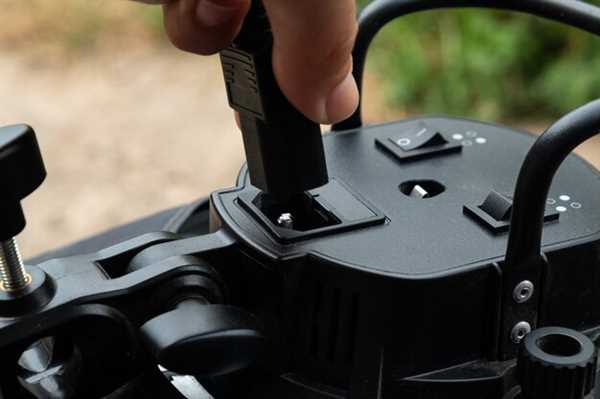
To mitigate energy drop in off-road vehicles, first inspect the battery condition. A faulty or undercharged battery often leads to significant energy shortfall, impacting overall performance. Ensure connections are clean and secure to prevent resistance that can hinder output.
Another critical aspect is fuel quality. Contaminated or poor-grade fuel can cause engine inefficiency resulting in reduced performance. Regularly check the fuel system for debris and consider using fuel additives to maintain optimal combustion.
Inspection of the ignition system is paramount. Worn spark plugs or faulty ignition coils can lead to misfiring, contributing to the diminished output. Replace any worn components promptly to restore peak efficiency.
Lastly, terrain and load play crucial roles. Excess weight and unsuitable surfaces strain the engine, leading to performance drops. Regularly assess load distribution and adjust driving habits to maintain the necessary momentum across varied landscapes.
Power Loss Issues in ATVs: Causes and Solutions

Check and replace the air filter regularly. A clogged filter restricts airflow, affecting engine performance and reducing acceleration.
Inspect fuel quality and ensure the system is free of contaminants. Bad fuel can clog injectors and decrease efficiency.
Review the ignition system components, including spark plugs and coils. Worn or faulty parts can prevent proper combustion, leading to sluggish operation.
Examine the electrical system for loose connections or frayed wires. Electrical inconsistencies can hinder performance and limit throttle response.
Evaluate the condition of the exhaust system. Restrictions or leaks can create back pressure, adversely impacting engine function.
Monitor tire pressure and overall condition. Improper inflation or excessive wear can contribute to handling issues and decreased power transfer to the ground.
Check the transmission fluid and mechanical integrity of the drivetrain. Any friction or slippage in these areas can impede efficiency.
Consider engine tuning and adjustments. Regular maintenance can optimize performance and mitigate loss during operation.
Stay informed about recalls or manufacturer updates related to your model. They may address known problems affecting performance.
Lastly, store the vehicle properly during off-seasons to prevent deterioration of key components.
Identifying Engine-Related Causes of Power Loss in ATVs

Check for fuel delivery problems. A clogged fuel filter or a failing fuel pump can restrict the flow, leading to inadequate combustion.
Inspect air intake systems. Dirt or debris in the air filter can limit airflow, creating a lean mixture that hinders performance.
Examine ignition components. Worn spark plugs or faulty ignition coils may result in incomplete combustion, decreasing engine efficiency.
Evaluate exhaust restrictions. A damaged or blocked exhaust system can cause back pressure, negatively impacting engine output.
Monitor engine timing. Incorrect timing adjustments can lead to misfiring, significantly affecting torque and acceleration.
Check for mechanical issues. Low compression in cylinders due to worn rings or valves can lead to significant performance drops.
Evaluate the cooling system. Overheating can reduce engine efficiency; ensure the radiator and coolant levels are optimal.
Pay attention to engine load. Excessive weight from cargo or towing can strain the engine, limiting its capability to maintain speed.
Assessing Fuel System Problems Leading to ATV Power Loss
To enhance engine performance, examine the fuel filter for clogs. A blocked filter restricts fuel flow, affecting overall functionality.
Inspect fuel lines for leaks or damage; these can lead to insufficient fuel delivery. A compromised line may cause pressure drops, hindering engine efficiency.
Evaluate the fuel pump function. A malfunctioning pump may not supply adequate fuel, directly impacting acceleration and responsiveness.
Check fuel injectors for proper spray patterns. Clogged or faulty injectors disrupt the mixture, leading to subpar combustion and reduced throttle response.
Ensure that the fuel tank is clean. Sediment buildup can contaminate fuel, resulting in engine misfires and stalling.
Use quality fuel to prevent deposits that can harm the injectors and other components. Poor-grade fuel can create residue that obstructs necessary passages.
Consider regular maintenance to keep the fuel system in optimal shape. Regular checks can prevent systemic flaws that may otherwise develop into significant setbacks.
Examining Electrical System Failures Affecting ATV Performance
To enhance performance, regularly inspect all components of the electrical network. Faulty wiring often leads to energy interruptions, affecting overall functionality.
Common factors contributing to malfunctions include:
- Corroded connectors that impede current flow.
- Weak batteries unable to sustain necessary charge levels.
- Defective voltage regulators that cause inconsistencies in energy supply.
- Worn-out switches that fail to transmit signals properly.
Monitor voltage levels with a multimeter to identify irregularities. Low readings may indicate battery depletion or connection problems.
Addressing these issues involves:
- Cleaning corroded terminals with appropriate solutions to restore conductivity.
- Replacing batteries that cannot hold a charge for optimal operation.
- Testing and swapping voltage regulators if irregular output is detected.
- Changing faulty switches to ensure reliable signal transmission.
Routine maintenance, such as checking fuses and inspecting wiring for frays, can prevent interruptions in operation. Regularly performing these assessments will ultimately contribute to a smoother ride and prolonged lifespan of the equipment.