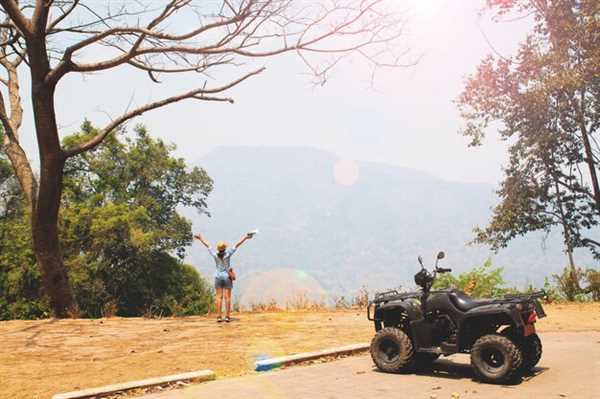
Check tire pressure and tread depth before heading out. Ensure that your tires are properly inflated and have adequate grip to handle different terrains. Worn tires can significantly impact traction and control.
Examine the brakes. Inspect both front and rear systems for responsiveness and wear. Address any unusual noises or behaviors, as braking efficiency is crucial for maneuvering safely on various surfaces.
Verify fluid levels, including oil, coolant, and brake fluid. Proper lubrication and cooling are necessary to keep the engine running smoothly, and depleted fluids can lead to severe mechanical issues or overheating.
Assess the battery’s condition. Make sure terminals are clean, connections are secure, and the battery holds a charge. A reliable power source is key for ensuring your vehicle starts without issues.
Take a moment to inspect lights and signals. All indicators should operate correctly for visibility and communication with others on the trail. Non-functional lights can lead to hazards, especially in low-light conditions.
Check the frame and chassis for any signs of damage or rust. Integrity is fundamental for stability, as compromised structures can lead to serious accidents or breakdowns.
Inspect the throttle and steering for smooth operation. Any sticking or unusual resistance can affect handling. Ensure that you can respond quickly to changing conditions on the track.
Before your first ride, confirm that safety gear is in good condition. This includes helmets, gloves, and protective clothing. Proper equipment reduces injury risk in case of a fall or collision.
Preparing Your ATV: Key Areas to Inspect Before Spring Riding
Check the battery for corrosion. Ensure terminals are clean and connections secure. Charge or replace as necessary.
Examine tires for wear and proper inflation. Look for cracks and ensure tread depth meets the required specifications.
Inspect the brakes for functionality. Test both front and rear systems; replace worn pads or discs immediately.
Evaluate fluid levels: engine oil, coolant, and brake fluid should be at recommended levels. Change fluids showing contamination or degradation.
Test lights and signals. All lights should operate correctly, ensuring visibility and communication with others.
Review the frame and suspension for damage. Look for cracks, bends, or loose bolts. Tighten or replace components as needed.
Assess the air filter. Clean or replace if dirty to maintain engine performance and efficiency.
Check the exhaust system for leaks or damage. Secure all connections and ensure the system is intact.
Inspect the drive belt for signs of wear. Replace if frayed or damaged to maintain optimal performance.
Essential Safety Checks: Ensuring Your ATV’s Components are Ready
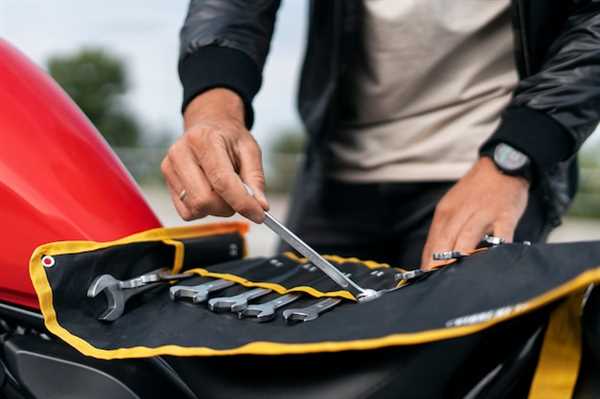
Check tire pressure and tread depth; ensure they meet the manufacturer’s recommendations to avoid blowouts and improve grip on uneven terrain.
Examine the brakes thoroughly. Inspect both front and rear systems for wear, ensuring pads haven’t worn down to metal. Test braking action for responsiveness.
Inspect the battery connections and terminals for corrosion. Clean as needed to maintain electrical efficiency. Ensure the battery is fully charged and the fluid levels are adequate.
Review all lights, including headlights, taillights, and indicators. Replace any burned-out bulbs and test functionality to maintain visibility in low light conditions.
Assess fluids such as engine oil, coolant, and brake fluid; refill or replace as necessary. Regular fluid checks can prevent overheating or mechanical failure.
Check for any loose or damaged belts and hoses, replacing those that show signs of wear. Tight connections are key to optimal performance.
Inspect the frame and suspension components for cracks or signs of fatigue. Ensure all bolts and nuts are tightened to factory specifications to maintain structural integrity.
Test the throttle and controls for smooth operation without sticking. Lubricate any moving parts to ensure they function correctly in different weather conditions.
Evaluate the footrests and handgrips for stability and grip. Any wear could affect control, leading to an unsafe ride.
Avoiding Common Pitfalls: Maintenance Tips for a Smooth Riding Season
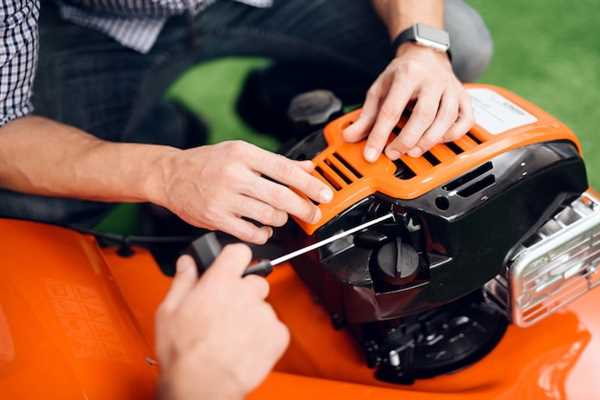
Check the tire pressure before taking off. Proper inflation enhances traction and stability on various terrains. Inspect the tread for wear and replace if necessary.
Examine the brakes thoroughly. Ensure pads are not worn out and that the fluid is at appropriate levels. This guarantees responsive stopping power in crucial moments.
Inspect fluid levels, including engine oil, coolant, and fuel. Change the oil if it appears dark or gritty. Clean fuel lines to avoid clogs that can hinder performance.
Evaluate the battery condition. Clean terminals and check connections for rust or corrosion. A strong battery is essential for reliable starts.
Test lights and electrical systems. Replace any burnt-out bulbs and ensure all signals are functioning correctly. Visibility is key for safety on trails.
Review the chain or drive belt. Adjust tension as needed, and lubricate to prevent wear. Regular maintenance will prolong lifespan and improve performance.
Check all cables and hoses for cracks or fraying. Replace anything that shows signs of wear to avoid breakdowns during excursions.
Inspect the frame and suspension components for cracks or damage. Tighten any loose bolts to maintain structural integrity during rides.
Store your vehicle in a dry place to prevent rust and deterioration. Regular cleaning will also keep it in great condition for the season ahead.