Maintain optimal fluid intake; dehydration can escalate rapidly in oppressive heat. Always have plenty of water readily available. Consider inspecting hydration status regularly, especially before long excursions.
Wear appropriate attire to shield skin from intense sunlight. Lightweight, long-sleeved shirts and pants not only protect against UV rays, but also provide an added layer of comfort. A well-ventilated helmet can prevent overheating by ensuring proper airflow.
Plan your adventure during cooler hours, such as early mornings or late afternoons. This not only reduces exposure to extreme temperatures but also enhances visibility and comfort. Avoid undertaking strenuous activities during peak heating times.
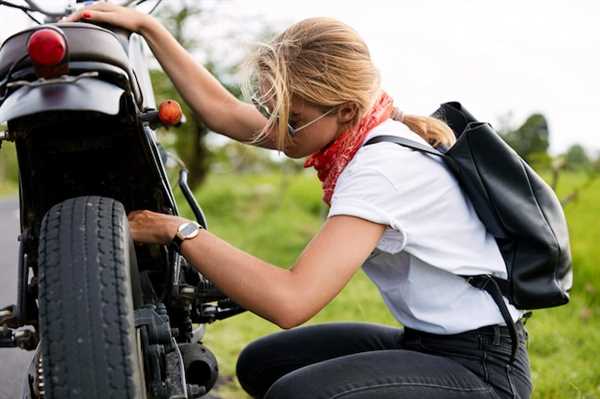
Regular maintenance is crucial. Ensure your vehicle functions optimally by checking tires, brakes, and coolant levels. Overheated engines pose a significant risk not just to the machine but also to the rider.
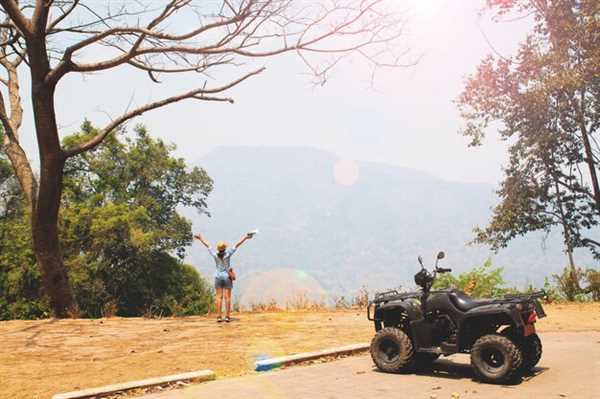
Familiarize yourself with the terrain. Some areas may become excessively dry and dusty, impacting visibility and safety. Always be mindful and adjust your speed according to the conditions to maintain control.
Lastly, keep an eye on your companions. Sudden fatigue or signs of heat exhaustion in others should prompt immediate breaks or adjustments to your plans. Safety remains a collective effort.
Hydration Strategies for Long Rides in High Temperatures

Drink water consistently before, during, and after your excursion. Aim for at least half a liter every hour, or more if you’re sweating heavily.
Electrolyte beverages can supplement hydration. Choose options low in sugar to avoid energy crashes. Consider coconut water or specialized sports drinks to replace lost minerals.
Carry portable hydration systems like backpacks with water reservoirs. This allows for easy sipping without having to stop.
Plan breaks in shaded areas to rest and hydrate. Use these moments to replenish fluids while protecting against the sun.
Monitor body signals. Headaches, dizziness, and fatigue can indicate dehydration. Always have a friend alongside who can help assess your condition.
Consider cooling accessories like damp bandanas or neck wraps. These can enhance comfort while out, making hydration efforts more effective.
Stay aware of your capabilities and environment. Heat can quickly lead to exhaustion, prioritize rest and fluid intake during extended excursions.
Essential Maintenance Checklist for Your ATV During Summer
Check the air filter for dust and debris. A clean filter ensures optimal airflow and performance.
Inspect the tires for proper inflation and tread wear. Adequate pressure and tread depth are crucial for traction and stability.
Examine the fluid levels, including engine oil, coolant, and brake fluid. Top off or replace fluids as necessary to avoid overheating.
Verify that all lights and electrical components are functioning. Proper visibility and signaling improve safety.
Inspect the battery for corrosion and secure connections. Clean terminals to prevent voltage loss.
Lubricate moving parts, including the chain, suspension, and pivots. This enhances protection against wear during hot conditions.
Test brakes for responsiveness. Ensure both front and rear brakes engage properly.
Check the exhaust system for leaks or damage. A well-maintained exhaust minimizes fire risks in dry environments.
Store your vehicle in a shaded area or use a cover to protect it from extreme heat and UV damage.
Protective Gear Recommendations for Riding in Hot Weather
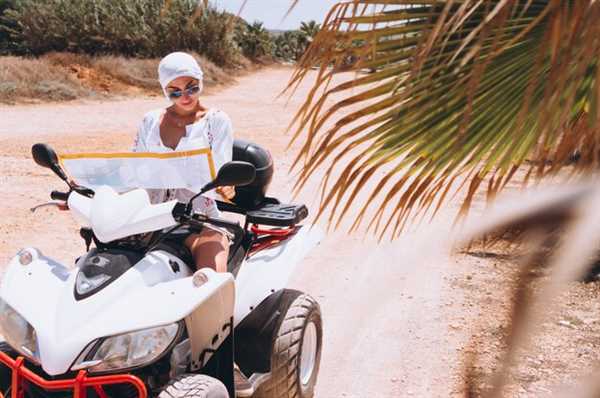
Select lightweight, breathable helmets with ample ventilation to ensure comfort and safety. Look for models featuring moisture-wicking liners to reduce sweat buildup, keeping your head cool and dry.
Opt for long-sleeve shirts and pants made from UV-protective and moisture-wicking fabrics. Lightweight, protective clothing shields the skin from harmful rays while allowing sweat to evaporate easily.
Consider gloves designed for warm conditions, offering breathability and grip. Choose styles made from lightweight materials; they should provide protection without compromising dexterity.
Invest in padded riding boots with good ventilation. A sturdy, breathable boot protects your feet while ensuring comfort during prolonged rides.
Use eye protection to shield against dust and debris. Choose goggles or sunglasses with UV protection, ensuring a clear line of sight and comfort.
Bring hydration packs or bottles to stay hydrated. Ensure easy access to water during your outing as high temperatures increase the risk of dehydration.
Reflective gear can enhance visibility, especially in open areas under direct sunlight. Choose brightly colored accessories to increase your presence on trails.