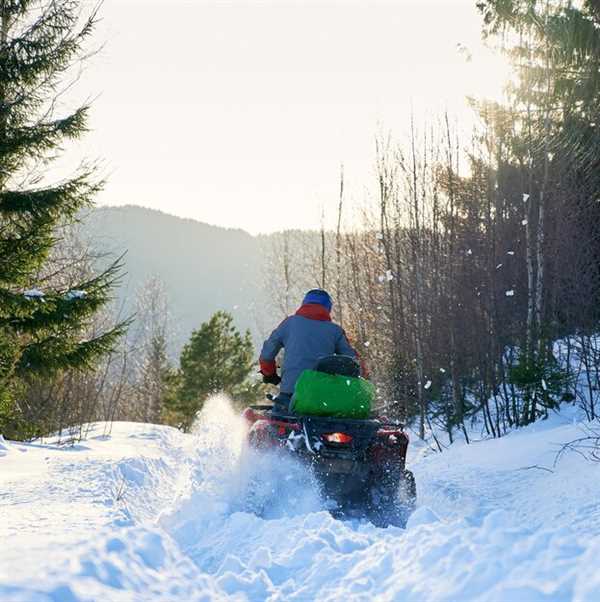
To achieve optimal performance on rugged paths, focus on adjusting tire pressure to enhance grip while maintaining control. Keep the tires slightly under-inflated for better traction on bumpy terrains; this allows for more surface area to engage with the ground, providing improved hold during sharp turns.
Another critical factor is weight distribution. Ensure that cargo is evenly distributed across your ATV to prevent it from tipping over on inclines or declines. Position heavier items toward the center of the vehicle for maximum stability.
Utilizing aftermarket suspension kits can significantly improve handling on rough trails. Investing in quality shocks that allow for adjustable dampening can tailor the ride to specific terrains, resulting in smoother navigation across obstacles.
Lastly, practice makes perfect. Regularly test your ATV on various landscapes to build confidence and enhance your ability to counteract tipping or sliding. Understanding how your machine reacts in different situations will lead to improved safety and enjoyment on off-road adventures.
Techniques for Maintaining ATV Balance During Off-Roading

To ensure your ATV remains steady on rugged terrains, adjust your body position according to the tilt and angle of the ride. Lean forward during descents and shift your weight backward on ascents.
- Keep your feet firmly planted on the footrests to improve grip and prevent slipping.
- Use your arms to help steer, maintaining a relaxed grip on the handlebars to absorb shocks without overcorrecting.
- Anticipate obstacles; steer smoothly and avoid sudden movements that could throw off your balance.
Practice proper throttle control; accelerating too rapidly can cause the front end to lift, leading to a potential loss of equilibrium.
- Assess terrain conditions before crossing. Select the right path that minimizes abrupt changes in elevation.
- Utilize momentum. Sometimes letting the ATV roll slightly can help navigate over obstacles without compromising stability.
Regular maintenance of tires ensures optimal traction. Appropriate tire pressure boosts grip while navigating difficult paths.
- Choose the right tire tread pattern for specific terrains; this enhances grip and handling.
- Practice in controlled environments to build confidence and learn how your ATV responds to different scenarios.
Lastly, familiarize yourself with the ATV’s dimensions and handling characteristics; knowing its limits will enhance your ability to maintain stability on challenging routes.
Adjusting Suspension Settings for Optimal Traction on Rough Terrain
Set the preload on your ATV’s shocks to achieve the right balance between comfort and handling. Increasing the preload tightens the spring, which helps maintain ride height when loaded, ensuring the tires stay in contact with the ground.
Adjust compression damping to enable the suspension to absorb harsh impacts. For rough, rocky paths, a softer setting allows the shocks to react quickly to changes, minimizing bounce and maintaining grip. Conversely, a stiffer setting can aid traction on smoother surfaces.
Consider tuning the rebound damping for better control during descent. Slower rebound settings allow the suspension to extend gradually, avoiding sudden movements that could affect traction.
Experiment with ride height adjustments. A lower center of gravity enhances balance, especially when cornering on uneven ground. Keep in mind that too low a height may increase the risk of bottoming out.
Use a suspension tuning kit if available. These kits often come with adjustment tools, allowing precise changes tailored to specific terrains. Make incremental adjustments, testing each setting before proceeding further.
Finally, tire pressure plays a crucial role in traction. Check and adjust tire inflation according to the terrain type. Lower pressures increase the tire’s footprint, improving grip on loose surfaces, while higher pressures support stability on solid ground.
Implementing Riding Skills for Better Steering Control on Uneven Ground
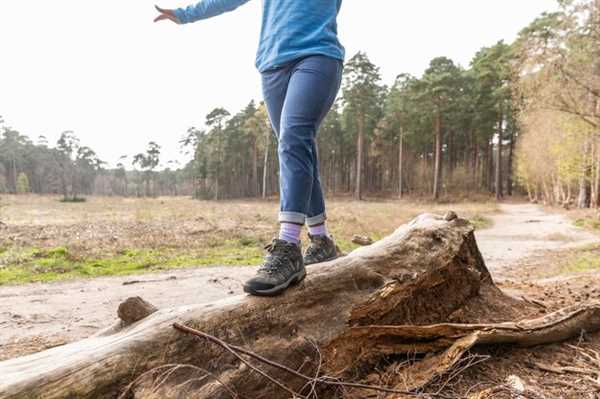
Maintain a low center of gravity by bending your knees and keeping your body close to the ATV. This promotes balance, allowing for better maneuverability across rugged terrain.
Shift your weight towards the outside of the turn. This technique allows the tires to gain traction while minimizing risk of tipping over. Use body movements to counterbalance the effects of terrain.
Practice throttle control consistently. Gradual acceleration helps prevent loss of grip, especially when navigating rocks or ruts. Anticipate the terrain ahead to adjust speed proactively.
Set your handlebars firmly but relaxed to maintain responsiveness. Tight grips can lead to overcorrection during jerky movements caused by obstacles.
Utilize your legs to steer subtly by shifting weight as you navigate slopes. Your feet should be positioned along footrests to enable quick shifts in stance.
Focus on visual scanning ahead for potential challenges. Spotting changes early helps prepare your body for necessary adjustments while riding.
Regular practice in diverse locales fosters confidence and sharpens skills. Each environment offers unique lessons that enhance handling dynamics on your ATV.
Engage with fellow riders to share techniques and experiences. Collaborative learning can introduce new methods for maintaining balance and improving steering precision.
Employ all these techniques consistently to enhance your performance on varied terrains. Dominating rough patches will become smoother as you refine your riding approach.