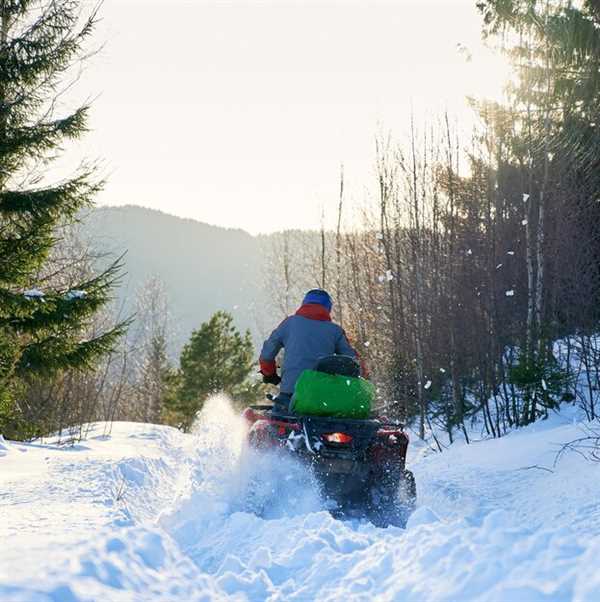
Always wear protective gear, including a helmet, goggles, gloves, and sturdy boots. This equipment significantly reduces the risk of injury due to spills or impacts during outdoor adventures.
Familiarize yourself with the vehicle’s controls and handling before venturing onto rough terrain. Understanding throttle response and braking systems can prevent loss of control in challenging conditions.
Adhere to local regulations regarding trail use and speed limits. Staying within prescribed boundaries not only ensures compliance but also promotes a safer environment for all riders.
Avoid operating on public roads and always ride with a companion. This enhances safety, as assistance is readily available in case of emergencies or mechanical failures.
Regularly inspect your machine before each outing. Check tire pressure, brakes, and fluid levels to ensure optimal performance and to mitigate the risk of breakdowns.
Practice defensive driving techniques. Be alert to obstacles and other riders, and maintain a safe distance to allow for sudden stops or evasive maneuvers.
Choose trails suited for your experience level. Gradually progress to more challenging terrains as your skills improve, ensuring a balanced approach to adventure and caution.
Understanding Your ATV’s Controls and Features
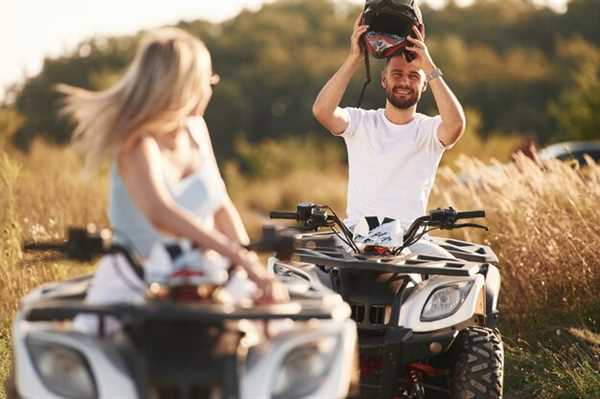
Familiarize yourself with the throttle and brake controls. The throttle is typically on the right handlebar, providing acceleration, while the brake lever is on the left. Practice gentle modulation of both to develop smooth habits.
Know the location and functionality of the transmission switch. Most models feature automatic and manual modes. In automatic mode, the vehicle adjusts gears automatically, whereas manual allows for greater control, especially on steep terrain.
The ignition switch is usually located on the handlebars. Ensure you know how to start and stop your machine safely. Check for any security features like a kill switch, which can prevent accidental starts.
Understand the dashboard indicators. Familiarize yourself with warning lights for oil pressure, temperature, and fuel levels. Regularly check these indicators to maintain vehicle condition and performance.
Learn about suspension settings. Adjusting the suspension can impact handling and comfort. Test different settings based on terrain and personal preference to find the best handling for your riding style.
Pay attention to the engine size and power output. Larger engines provide more torque and speed, but may affect handling. Balance your choice with your comfort level and intended use.
Review the user manual for specific features unique to your model. Many ATVs have additional features such as winches, racks, or lighting systems that may benefit your riding experience.
Consider practicing in an open area to build confidence. Mastering throttle control, braking, and maneuvering can significantly improve your riding habits.
Essential Safety Gear Every Rider Should Wear
A full-face helmet is a necessity to protect against head injuries. This type provides coverage from both front and sides, offering increased safety. Select a helmet that fits snugly without being uncomfortable.
A high-visibility jacket made from durable materials enhances visibility to others on the trail. Look for reflective elements and bright colors that stand out, improving safety in various conditions.
Gloves are crucial for grip and control. Choose gloves that offer protection to the knuckles and palms while providing flexibility for handling controls. Opt for models with reinforced areas for added durability.
Sturdy boots with ankle support are necessary for maintaining stability and protecting feet during operation. Footwear should have non-slip soles to prevent falling or slipping off the pedals.
Wear knee and elbow pads for extra protection in case of falls. These pads absorb impact and minimize injuries, reinforcing good habits regarding personal safety.
Goggles or safety glasses shield the eyes from debris and UV rays. Ensure they fit well with your helmet, providing clear vision without obstruction.
Reflective vests or armbands can boost visibility, especially in low-light scenarios. These accessories help others notice you quickly, enhancing overall safety.
By consistently wearing appropriate protective gear, riders build responsible habits that significantly reduce the risk of injuries on the trails.
Developing Safe Riding Habits on Various Terrain
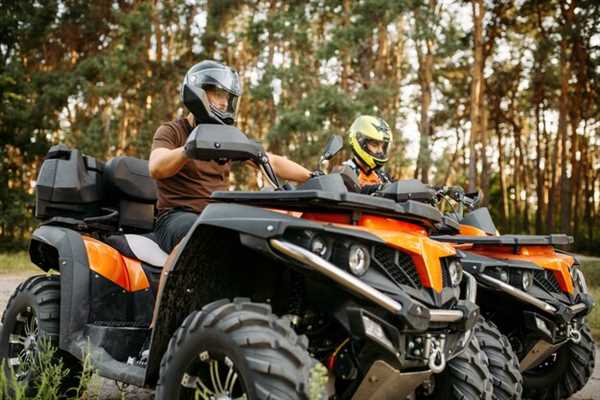
Maintain a steady speed, especially on uneven surfaces. Rapid acceleration can lead to loss of control. Adjust your pace to match the terrain type.
Always position your weight correctly. Lean forward when climbing hills to prevent tipping backward. Conversely, lean back while descending to maintain balance.
Anticipate obstacles by observing the trail ahead. Look for rocks, trenches, or other hazards that could affect stability.
Use the appropriate gear for different environments. Muddy paths may require larger tires for better grip, while rocky trails might necessitate a more rugged vehicle setup.
Stay aware of weather conditions. Rain can create slick surfaces, increasing the risk of skidding. Avoid riding in poor visibility.
Practice throttle control. Smoothly increase and decrease speed to maintain traction, especially on loose or wet ground.
Engage in regular safety checks of your equipment. Inspect tires, brakes, and lights before heading out. Proper maintenance enhances performance and reliability.
Communicate with fellow riders about terrain changes or potential hazards, ensuring everyone is informed and alert.
Understand the limitations of your machine on different terrains. Knowing what your vehicle can handle helps in making informed decisions while riding.