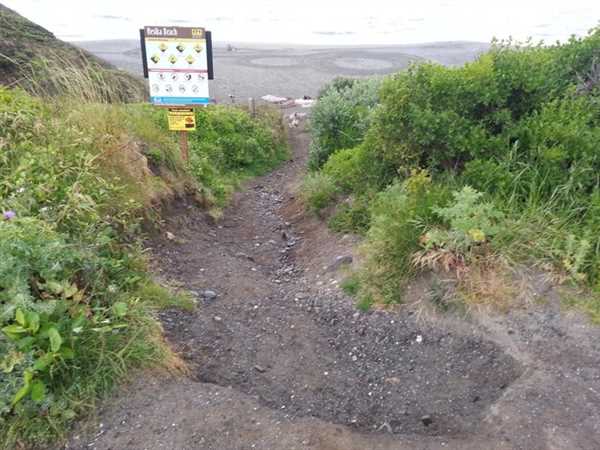
Prioritize control and stability. When approaching a stop on steep slopes, apply the brake gently, distributing weight back to maintain traction. On loose gravel or sandy earth, use a light touch on the brakes to avoid skidding. In adverse weather, like rain or snow, increase your stopping distance to account for reduced grip.
Always assess the surface. Hard surfaces allow for quicker halting, while soft or uneven ground requires a gradual approach. A firm stance and mindful pressure on the brakes can prevent accidents. In cases of sudden braking, shift your weight back to stabilize and avoid tipping.
Practice on various surfaces to build confidence. Familiarity with different conditions enhances reaction times during unplanned stops. Remember the importance of your equipment; ensure tires are adequately inflated and suitable for the terrain to enhance stability during halts.
Understanding Terrain Types and Their Impact on Stopping Techniques
For optimal safety while operating an ATV, it’s critical to recognize and adapt to different surfaces encountered on trails. Firm and flat ground allows for smoother braking, while loose soil or gravel demands a lighter touch on the brakes to prevent skidding. Always maintain a straight path while stopping on uneven surfaces to enhance control.
On steep inclines, apply brakes gradually and use lower gears to avoid unintended rollbacks. In scenarios with steep declines, keep body weight towards the rear of the vehicle, and utilize engine braking in conjunction with the brakes to avoid losing traction.
In wet or muddy areas, reduce speed before approaching slippery patches. Sensitivity to throttle control is essential, as aggressive acceleration can lead to a loss of grip. Instead, gently ease off the throttle while applying the brakes smoothly.
Rocky terrains require exceptional focus. Position the ATV at a suitable angle and engage the brakes firmly yet progressively. This method minimizes the chance of tipping and enhances stability during deceleration.
Soft sand calls for maintaining momentum instead of abrupt braking. Gradually ease off the throttle and apply brakes lightly, allowing the ATV to settle before entirely stopping. Awareness of the surface condition prepares the rider for necessary adjustments in braking techniques.
Adjusting Speed and Body Position for Controlled Stops
Maintain an appropriate velocity before approaching a halt. Gradually reduce speed to minimize force on impact, especially on uneven surfaces. A slower rate aids in maintaining balance and stability.
Shift your body weight slightly backward before stopping. This adjustment counteracts momentum, reducing the risk of falling forward. Keep your knees slightly bent to enhance agility and responsiveness.
Place your feet shoulder-width apart to distribute weight evenly. This stance improves control and allows for quicker adjustments if the ground shifts unexpectedly.
Engage your core muscles for added strength and stability. A strong core supports better posture and reduces strain during deceleration.
Practice stopping on different surfaces to develop a feel for what adjustments are necessary. Sand, gravel, and steep inclines each require specific approaches to maintain safety while coming to a halt.
Always be aware of your surroundings. Assess potential hazards in advance to anticipate and plan your speed reduction and body positioning.
Utilizing Braking Systems and Techniques for Maximum Control
Engage both front and rear brakes simultaneously to enhance grip and stability during deceleration on different surfaces. This method distributes forces evenly, minimizing the risk of skidding. Adjust your braking pressure based on terrain; softer ground demands lighter braking to prevent sinking, while firmer surfaces allow for more forceful engagement.
Maintain your ATV’s brakes regularly. Check for worn pads, fluid levels, and proper adjustment. A well-maintained braking system ensures maximum responsiveness and reliability, especially in challenging environments.
Consider trail conditions. On steep descents, alternate between brakes to maintain control without overheating. For loose gravel or sand, use a rear brake bias to prevent tipping and maintain balance. Practice controlled stops in various environments to build muscle memory and confidence.
Remember to position your body weight appropriately while braking. Leaning back can shift weight off the front wheels, reducing traction. Keep a steady grip on the handlebars as you apply brakes and utilize your lower body for additional stabilization.