Addressing inadequate damping is crucial for enhancing ride quality and stability. Inspect shock absorbers frequently; worn units can lead to excessive bounce, compromising handling. Ensure proper preload adjustment to maintain optimal ride height, allowing for better traction and control on varied terrains.
Another aspect to monitor is sag. Too much sag diminishes rebound effectiveness, making it difficult to navigate obstacles. Utilize appropriate tools to measure static and dynamic sag, making necessary adjustments for a balanced distribution of weight across all four wheels.
Pivotal components like control arms and bushings should not be overlooked. Wear in these parts can lead to misalignment, causing unpredictable steering responses. Regular inspection can help in identifying these issues early, allowing for timely replacements and ensuring a more precise driving experience.
Braking performance is directly linked to suspension functionality as well. Uneven wear on tires can indicate suspension failure, which interferes with stopping distances and overall safety. Consistent tire rotation and alignment checks are advisable to maintain optimal contact with the ground.
Identifying Signs of Suspension Wear in Your ATV
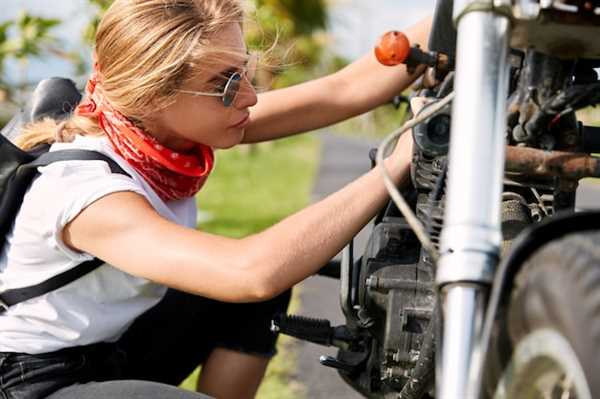
Inspect for leaks around the shock absorbers; fluid loss indicates deterioration. Check for unusual noises, such as clunking or grinding sounds, which signal internal component failure.
Examine tire wear patterns. Uneven or accelerated wear may suggest that the system cannot maintain proper contact with the terrain. A consistent check of the vehicle’s alignment can reveal misalignments rooted in wear.
Pay attention to handling characteristics. If the vehicle feels unstable or excessively bouncy over bumps, it may require immediate assessment. Additionally, assess the ride height; sagging or reduced height can indicate fatigue in the supporting system.
Monitor any changes in performance during cornering. Excessive body roll or difficulty in maintaining a line can be indicative of weakened components. Regular assessments will prolong the longevity of your riding experience.
Inspect bushings for cracks or deterioration. Worn bushings often lead to compromised stability, affecting a smooth ride. Periodic evaluations and timely replacements will enhance optimal performance.
How to Adjust ATV Suspension for Different Terrain Types

For rocky terrain, increase the preload on the springs to prevent bottoming out. This raises the ride height and improves ground clearance. Adjust the compression damping to a firmer setting to enhance stability on uneven surfaces.
On sandy or muddy trails, decrease the compression damping for a softer ride. This allows the wheels to absorb bumps better and maintain traction. Adjust the rebound damping to a slower setting to prevent the vehicle from bouncing excessively after hitting obstacles.
For smooth, hard-packed trails, set the compression damping to a firmer level for improved handling and cornering response. Lower the preload to maintain a comfortable ride height for quick maneuvers.
In snowy conditions, a softer setup is advised. Decrease the preload to allow for better flotation. Lower the compression damping to enhance comfort and traction on slippery surfaces.
Regularly check the settings after each ride, as conditions can change. Fine-tuning the ride according to specific environments will enhance overall performance and safety.
Maintenance Tips to Prevent Suspension Issues on Your ATV
Regularly inspect and maintain your shock absorbers, ensuring they are free of leaks and debris. Keep the seals clean, as dirt can compromise their efficiency.
Monitor air pressure in tires. Proper inflation plays a key role in ensuring optimal handling characteristics. Check pressure frequently, especially before rides.
Lubricate all pivot points and bushings. This prevents friction and wear, enhancing overall performance. Utilize high-quality greases suitable for off-road conditions.
Keep an eye on the alignment. Misalignment can lead to uneven tire wear and negatively affect handling. Regular adjustments can prevent long-term damage.
Inspect and replace worn or damaged components promptly. Faulty parts can lead to larger issues over time. Regular checks can save money in the long run.
Ensure correct ride height is maintained. Adjustments can help accommodate different riding styles and terrains, improving stability and handling.
Adopt a cleaning routine post-ride. Remove mud and debris to prevent corrosion and other issues that can arise from prolonged exposure to harsh elements.
Lastly, consult a professional if unsure about any maintenance step. Expert advice can ensure safety and enhance performance while enjoying your machine.