
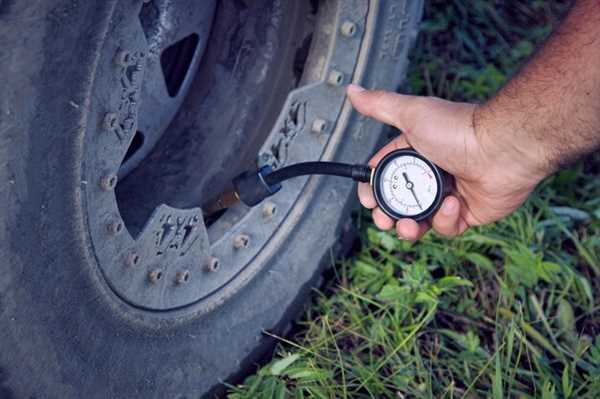
Maintaining optimal firmness is crucial for maximizing the performance of your ATV. Aim for a range between 5 and 7 psi for soft terrain, offering better grip and stability, while harder surfaces benefit from increasing to 10-12 psi.
Regularly inspect the rubber components for any signs of wear or damage. Uneven wear patterns can indicate miscalculations in firmness, which can adversely affect handling. A quick visual check can save you from potential hazards.
Consider seasonal adjustments, as temperature fluctuations can impact the air content within the rubber. Cooler weather may cause a drop in firmness, so a quick adjustment can maintain ideal contact for optimal maneuvering.
Utilize a reliable gauge for precise measurements. Digital options tend to provide more accurate readings than manual ones and should be part of your maintenance toolkit.
Maintaining the right balance not only enhances safety but also improves fuel efficiency, making your off-road experience both enjoyable and economical.
Optimal Tire Pressure Settings for Various Terrain Types
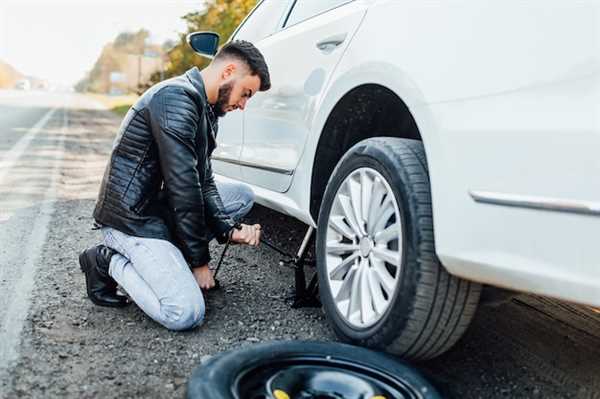
For sandy surfaces, reduce air to approximately 8-12 psi to enhance surface contact and flotation. This adjustment helps prevent sinking and improves maneuverability on loose grains.
On rocky terrains, maintain settings around 14-18 psi for better puncture resistance while providing stability during navigation over uneven paths. This level offers a balance between grip and the ability to absorb impacts.
For muddy trails, a range of 10-15 psi can improve surface adherence and reduce the likelihood of slipping. Lower pressure allows tires to spread over soft terrain, maximizing grip.
In snow conditions, set to about 10-12 psi to enhance surface area and assist in floating atop snow rather than cutting through, making movement easier and more controlled.
On hard-packed surfaces, aim for 18-22 psi. This higher amount minimizes rolling resistance and optimizes handling during faster rides while maintaining stability.
For mixed terrains, a flexible range of 12-18 psi is advisable, enabling adaptability to shifting conditions without compromising performance or safety.
Regular Maintenance: Checking and Adjusting Tire Pressure
Check the inflation levels of your ATV’s wheels at least once a month and before significant outings. This practice prevents handling issues and optimizes performance.
Use a reliable gauge to measure inflation. Refer to the manufacturer’s guidelines for the recommended values. Adjust as needed, either by adding air or releasing some.
Cold measurements yield the most accurate results, so check before use or after resting for a couple of hours.
Observe for visible damage or irregular tread wear during each inspection. If you notice uneven wear patterns, investigate alignment or suspension problems.
Maintaining appropriate levels leads to better stability, enhances grip on various terrains, and extends the lifespan of your ATV’s wheels.
Impact of Tire Pressure on ATV Handling and Performance
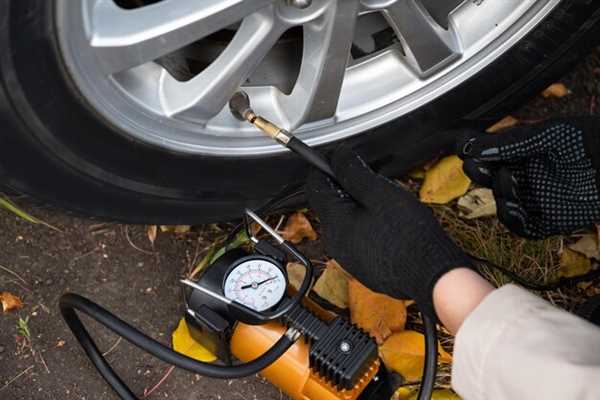
Maintaining appropriate levels within your vehicle’s wheels directly enhances stability and responsiveness. Lower than recommended settings result in decreased maneuverability on rugged terrains, while excessive inflation can lead to a harsh ride and loss of grip.
For optimal handling during varying conditions, aim for the specifications provided by the manufacturer. For most all-terrain models, a range of 5 to 10 psi is common, depending on the surface. Adjusting these levels based on load and environmental factors will significantly influence cornering ability and braking distance.
When negotiating uneven landscapes, proper inflation allows for enhanced contact with the ground, improving control over obstacles. Conversely, incorrect air levels may lead to skidding or loss of traction in muddy or loose surfaces.
Regular checks are advisable to ensure that changes in temperature and humidity do not impact your setup. The relationship between air content and performance is complex; broader tires might require different standards than narrower profiles, ensuring that each unit performs its best under various conditions.
Pay close attention to wear patterns as well; they can provide insight into whether adjustments are necessary. Anomalies may indicate an imbalance, suggesting that tweaking air levels could prolong lifespan and optimize performance.