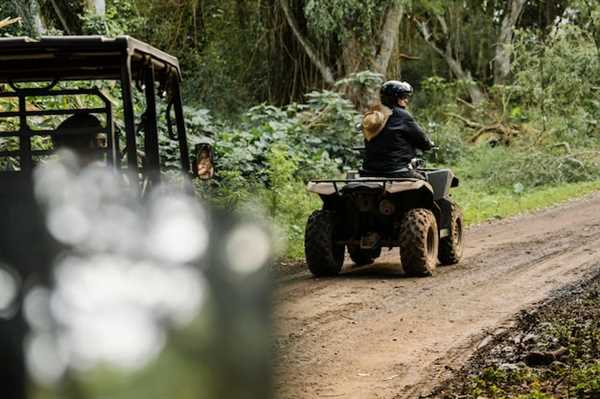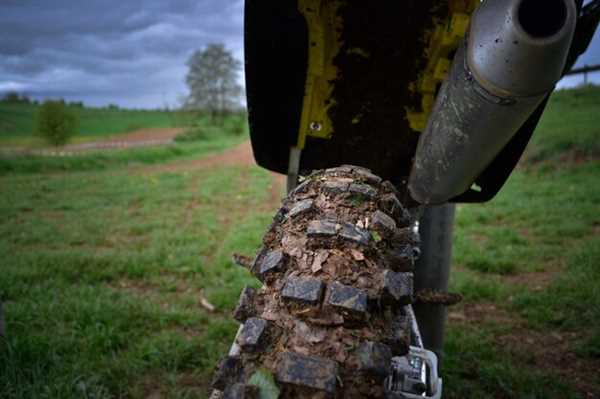
To enhance stability and traction on uneven terrain, start by modifying your ATV’s framework to accommodate obstacles and slippery surfaces. Adjusting the compression settings can significantly improve how the vehicle handles deep ruts or mud, allowing the tires to maintain contact with the ground.
Consider the ride height; lowering it may provide better weight distribution, which is critical for cornering on challenging paths. Conversely, raising it can help clear larger obstacles while maintaining a comfortable experience over rough patches.
Damping adjustments play a key role in controlling the rebound, aiding in maintaining traction during rapid movements. Fine-tuning this aspect can help prevent unwanted bounces and ensure smooth transitions across varied environments. Testing different settings during practice runs will reveal the optimal setup for your preferred off-road adventures.
Understanding Suspension Settings for Trail Environments

Set compression damping to a medium level. This provides adequate support on uneven surfaces while allowing enough give for comfort.
Increase rebound damping slightly to control the spring’s return speed. This adjustment minimizes bouncing after hits and maintains traction on loose terrains.
Consider spring rate based on load. Heavier riders may require stiffer springs to prevent bottoming out, ensuring a balanced ride over obstacles.
Front fork preload should be adjusted to maintain ride height. Too low can lead to excessive dive during descents, while too high may result in poor handling.
Monitor tire pressure closely. Softer tires provide better grip on muddy surfaces when coupled with a well-tuned setup, enhancing overall maneuverability.
Test settings incrementally. Make small adjustments, ride, and evaluate performance to find the optimal configuration for specific environments.
Keep an eye on component wear. Regular maintenance allows for consistent performance and helps identify when further tweaks are necessary.
Optimizing ATV Suspension for Muddy Conditions
Lower tire pressure enhances grip and cushioning. Aim for a pressure around 5-7 psi to improve traction without risking rim damage.
Soften the preload setting on springs to maximize wheel articulation and absorb impacts from uneven surfaces. This allows the ATV to maintain contact with the ground, enhancing stability.
Increase the rebound damping to prevent the wheels from bouncing back too quickly after hitting obstacles. A slower return helps maintain traction and control on slippery terrain.
Adjusting compression damping can be beneficial; reducing it will allow the shocks to soak up bumps better, providing a smoother ride while maintaining control.
Consider wider tires for improved flotation over wet terrain. This expands the surface area and reduces the likelihood of getting stuck in deeper mud.
Periodic maintenance of components ensures they function optimally. Clean and inspect the system regularly to prevent mud buildup that hampers performance.
Experiment with different configurations during practice runs. Understand how each tweak affects handling and adjust accordingly for your riding style and environment.
Common Suspension Adjustment Mistakes to Avoid

Ignoring manufacturer guidelines can lead to incorrect settings on your ATV, causing performance issues. Always refer to the manual for recommended pressure and rebound values before making any changes.
Failing to adjust preload for rider weight results in reduced comfort and control. Ensure that the preload is set according to your weight for optimal handling.
Overlooking tire pressure in conjunction with setup can negatively impact traction and stability. Maintain recommended tire pressure levels, as they significantly affect overall ride quality.
Making drastic modifications without testing can create an unsuitable ride. Make small adjustments and test them thoroughly under various conditions.
Neglecting to regularly check and maintain components leads to premature wear and inconsistent performance. Regular maintenance ensures components operate within optimal ranges.
Adjusting only one aspect of the system without considering others creates imbalance. Each part works cohesively, so changes should be made holistically.
Using improper tools or methods for adjustment can damage critical components. Utilize the correct tools and follow best practices for any modifications.
Relying solely on personal preference without considering terrain can lead to a poor ride experience. Adjustments should be reflective of the specific conditions encountered on the track.