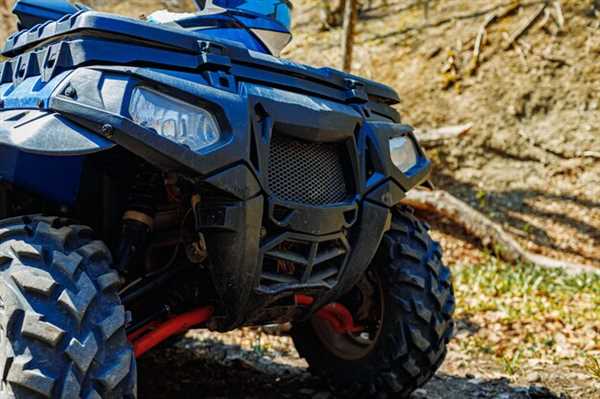
Inspect the components regularly to ensure they provide optimal performance. Look for any signs of wear, such as cracks or excessive thickness. Replace worn-out parts immediately to avoid any potential hazards while maneuvering through trails.
Keep the hydraulic fluid at the correct level and top it off if it’s low. Air bubbles or moisture in the system can lead to reduced stopping power. Bleed the lines if you notice a spongy feel when applying pressure to the lever.
Clean the parts frequently to prevent debris buildup, thus ensuring a smooth operation. Dirt and grime can hinder efficiency, so use appropriate cleaning agents to maintain a pristine condition.
Always check alignment to avoid uneven wear and tear. Misalignment can lead to compromised stopping capability and could put you at risk in critical situations.
Store your all-terrain vehicle in a dry environment, as moisture can corrode metal components. A protective cover can also extend the lifespan of the braking system by shielding it from the elements.
Inspecting Brake Pads and Discs for Wear
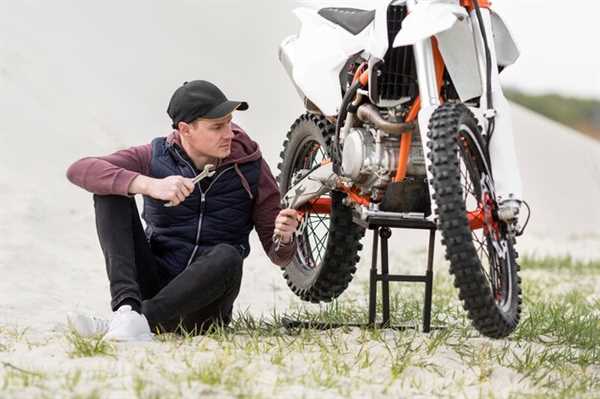
Regularly check the friction material for thickness; if it’s less than 1/8 inch, replacement is necessary. Inspect the surface for grooves or scoring that may indicate damage. Ensure there are no cracks, which can compromise performance.
Look for uneven wear patterns on the pads and rotors, as this may signal issues such as misalignment or caliper malfunction. Squeaking or grinding noises during use are red flags that warrant immediate attention.
Clean the components to remove dust and debris; this can enhance performance and extend lifespan. Lubricate contact points with appropriate grease to prevent sticking.
Assess the discs for warping by checking the runout with a dial indicator. More than 0.005 inches of runout may result in vibrations and reduced safety. Replace or machine warped discs as necessary.
Adjusting Brake Fluid Levels and Leak Checks
Start with checking the reservoir for adequate fluid, ensuring it registers between the maximum and minimum marks. If low, add the recommended type of fluid promptly to prevent compromised stopping power.
Examine the hoses and connections for any signs of leakage. Look for discoloration or dampness around fittings and hoses. If a leak is detected, replace the affected component immediately to maintain reliability.
Regularly inspect the fluid itself; it should be clear and free from contaminants. Cloudy or discolored fluid necessitates a complete replacement. This is pivotal for ensuring responsive stopping and overall safety.
After adjustments or fluid additions, pump the lever or pedal to circulate the fluid and remove air pockets, ensuring a solid feel when engaged. This action confirms the system’s integrity and readiness for operation.
Document any findings during checks; keeping a record aids in tracking potential issues over time. Regular inspections promote performance continuity and enhance safety during use.
Cleaning and Lubricating Brake Components Properly
Regular cleaning of the friction elements and the calipers is necessary. Use compressed air to blow out dust and debris. A soft brush can help to remove stubborn dirt without damaging surfaces.
After cleaning, apply a lubricant specifically designed for brake components. Ensure it is safe for use with the materials in your braking system to prevent deterioration. Avoid getting lubricant on friction surfaces, as this can compromise stopping power.
Inspect seals and hoses for any signs of wear or damage during cleaning. Replace any compromised parts immediately to maintain safety. Reassemble the parts carefully, ensuring all components fit snugly and function properly.
Regular inspections combined with cleaning and proper lubrication significantly enhance safety and performance. Always focus on areas prone to grime buildup and apply fresh lubricant as needed to keep mechanisms operating smoothly.