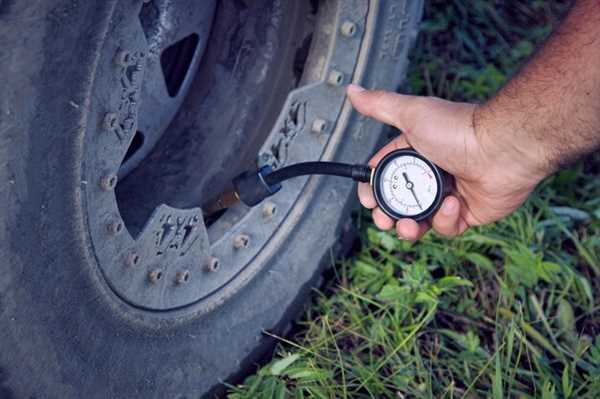
Check for any visible cracks or tears on the surface of your vehicle’s tires. These issues can lead to air loss and affect handling, especially during off-road activities.
Pay attention to uneven wear patterns; they can indicate misalignment or suspension problems. Regularly inspecting tread depth is also crucial. Insufficient tread can compromise traction on diverse terrains.
Examine for bulges or blisters on the tire’s sidewall. These deformities may signal internal damage, compromising safety. Additionally, keep an ear out for unusual noises while driving, as they may indicate deeper issues that require immediate attention.
Identifying Cracks and Bent Rims
Inspect your rims regularly for any visible cracks. Look closely at the edges and spokes, as fractures often start in these areas. Use a flashlight to illuminate hard-to-see spots, ensuring that no fissures are overlooked.
For bent structures, check the alignment by rolling the vehicle slowly. Observe if the tires wobble or if there is uneven contact with the ground. A noticeable vibration during operation can indicate a misaligned or warped component.
Feel for any unusual bulges or deformations along the rim edges. Any irregularities can compromise integrity and performance. It’s advisable to perform a routine check after rugged outings or challenging terrains, as these conditions increase the likelihood of bending.
If you suspect damage, consider having the components professionally examined. Early detection can prevent further issues and ensure longevity. Regular maintenance helps maintain optimal functioning and safety during usage.
Recognizing Unusual Vibrations During Rides
If you notice unexpected shaking or unusual feedback during your ride, inspect the suspension and tires immediately. Such vibrations may indicate issues with the rims or integrity of the tires. A pronounced wobble could suggest a bent rim, while persistent vibrations might point toward uneven wear or misalignment.
Pay close attention if the vibrations differ based on speed or terrain. If they intensify at higher speeds, this could reflect tire imbalances or structural flaws. Additionally, listen for any odd noises accompanying the vibrations, as these could signal deeper mechanical problems.
Regularly check air pressure, ensuring it’s within the recommended range, as under-inflated tires often lead to instability. Conversely, over-inflation can cause uneven wear and increase the likelihood of blowouts. Keeping a close eye on tread depth is also essential; excessive wear may contribute to poor handling and vibrations.
If you experience consistent vibrations that don’t subside with adjustments or tire replacements, consult a professional to assess the underlying mechanics. Addressing these issues promptly ensures smoother rides and prolongs the lifespan of your vehicle’s key components.
Inspecting Tire Wear Patterns and Pressure Levels

Check for uneven wear across the tread surface. This may indicate misalignment or imbalanced tires, requiring adjustment. Inspect the outer edges for signs of excessive wear, which can signal under-inflation.
Maintain proper air pressure; low levels can lead to overheating and premature wear. Use a quality tire pressure gauge weekly, adjusting as per the manufacturer’s recommendations. Over-inflation can also cause damage and reduce traction.
Look for cracking or punctures in the sidewalls. Deep cuts or bulges are clear indicators of potential failure and should be addressed immediately. Regular inspections can prevent serious issues that may arise from hidden flaws.
Monitor tread depth using a gauge or the penny test. Insufficient tread can reduce grip, increasing the likelihood of accidents on challenging terrains. Replace tires when they reach the minimum tread depth to ensure safe operation.
Document your findings during each inspection. Tracking wear patterns and pressure levels over time helps identify trends that may require intervention. This proactive approach enhances performance and longevity.