Begin with a thorough rinse using a pressure washer to remove the bulk of dirt. Focus on the undercarriage, wheel wells, and other hidden areas where grime tends to accumulate. This initial step helps dislodge stubborn particles and prepares the surface for detailed maintenance.
Use a soft-bristle brush in conjunction with a biodegradable soap solution to scrub away residual stains. Pay special attention to components such as brakes, suspension, and any electronic parts. This ensures that no harmful substances linger that could cause long-term damage.
Don’t forget to inspect air filters and coolant levels. Ensure all openings are clear of debris, and check for any visible wear on belts and hoses. Regular attention to these features helps maintain optimal performance and prolongs the lifespan of your vehicle.
Finally, apply a protective coat of wax or sealant on painted surfaces to guard against elements and maintain shine. This extra step not only enhances appearance but also simplifies future cleaning efforts. Following these steps leads to maintenance that keeps your machine looking great and functioning at its best.
Preparing Your ATV for Cleaning: Essential Steps
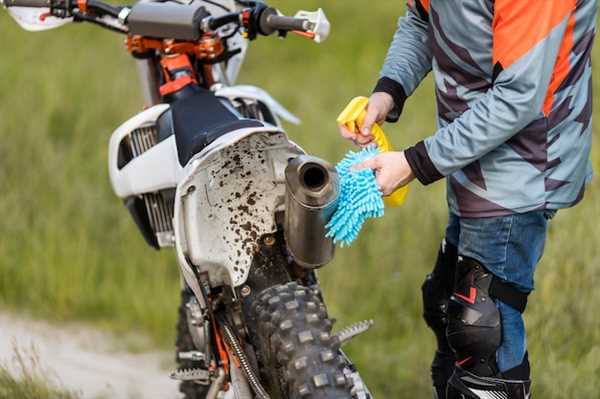
Remove any accessories, like racks or winches, to avoid obstacles during the washing process. This ensures every surface is accessible and requires less effort.
Inspect for damage or wear before starting. Check for stuck debris in the undercarriage or wheel wells, as these areas often trap dirt, making thorough removal crucial.
Ensure the engine is off and cool. Disconnect the battery for safety, preventing any electrical issues while rinsing.
Cover sensitive components like the air intake and exhaust pipe with plastic bags. This prevents water intrusion, protecting crucial systems from potential harm.
Choose a location where runoff won’t create issues. Ideally, use a designated cleaning area that allows for easy drainage, reducing environmental impact.
Gather necessary supplies, including a hose with pressure nozzle, brushes of various stiffness for different surfaces, and biodegradable soap tailored for vehicles. Having these items ready streamlines the process.
Finally, survey the riding gear for mud and moisture. Getting rid of excess dirt beforehand reduces the workload and improves sanitation.
Tools and Supplies You Need for a Thorough Clean
Gather a pressure washer for powerful rinsing, ensuring debris removal from hard-to-reach spots. A garden hose with a nozzle can also work if a pressure washer isn’t available.
Brushes in various sizes are key for scrubbing. Use a stiff-bristled brush for tires and undercarriage. A soft brush helps protect delicate surfaces.
Microfiber towels are perfect for drying surfaces and wiping down components. They prevent scratches while being highly absorbent.
Cleaning solution, specifically designed for off-road vehicles, aids in breaking down dirt and grime. Read product instructions for correct usage.
A bucket filled with warm water enhances the cleaning process, mixing with the cleaner to facilitate dirt loosening.
Don a pair of gloves to protect hands from harsh chemicals and dirt. Safety goggles safeguard eyes from splashes while working.
Check for a wheel cleaning tool, particularly for intricate designs, ensuring every nook is reached.
Lastly, store everything in a well-organized caddy or container for easy access during the next cleaning session.
Step-by-Step Cleaning Process for Mud and Water Residue
1. Rinse Thoroughly: Use a pressure washer to remove loose debris from the frame, tires, and undercarriage. Start from the top and work your way down. Maintain a safe distance to avoid damage.
2. Apply Soap: Utilize a mild detergent mixed with water. Scrub the surfaces with a soft brush to break down stubborn grime. Pay special attention to the wheel wells and suspension components.
3. Clean Air Filter: Remove the air filter and inspect it for clogs. If necessary, clean it with compressed air or replace it with a new one to ensure optimal engine performance.
4. Inspect Components: Examine the brakes, drivetrain, and electrical connections for signs of wear or moisture. Dry any damp areas with a microfiber cloth.
5. Lubricate Moving Parts: Apply appropriate lubricant to all joints, bearings, and cables to prevent rust and ensure smooth operation after drying.
6. Protect the Finish: Use a detailing spray to restore shine to painted surfaces. This will help repel mud and dirt in future excursions.
7. Final Inspection: Review all areas once more to ensure nothing is missed. Check fluid levels and refill if necessary before storage.