Choosing the proper rubber compound can significantly enhance traction and control. If you frequently traverse muddy trails, opt for deep-lugged designs that clear debris and grip uneven surfaces. On the other hand, for hard-packed terrain, a flatter tread pattern may offer superior stability and speed.
Take into account the specific conditions you encounter most often. Sand and loose gravel demand wider profiles that prevent sinking, while rocky paths benefit from a firmer grip and puncture resistance. Always ensure compatibility with your machine’s specifications to avoid performance issues.
Aim for versatile options if your routes vary. Hybrid tires blend characteristics of both mud and hard surfaces, allowing adaptability to diverse environments. Investing in quality brands known for durability can also translate into longer life and fewer replacements.
Understanding Terrain-Specific Tires for Optimal Performance
Select the right model based on terrain to enhance grip and stability. For muddy conditions, go for deep-tread designs that channel fluid away from the surface for better traction. In rocky areas, opt for reinforced sidewalls to prevent punctures while ensuring control over uneven surfaces.
On hard-packed trails, consider tires with a flatter profile to offer a larger contact patch, improving handling and reducing slippage. For sand riding, wider paddles help maximize floatation and acceleration, allowing for effortless navigation through soft surfaces.
Evaluate the tread pattern as well; aggressive designs tackle off-road challenges, while smoother patterns suit high-speed trails. Understanding the specific demands of your environment will inform your tire choice, directly impacting maneuverability and performance.
Check the rubber composition as well. Softer compounds provide superior grip but wear out faster, while harder materials last longer but may compromise traction on slick surfaces. Aim for a balance tailored to your most frequent conditions.
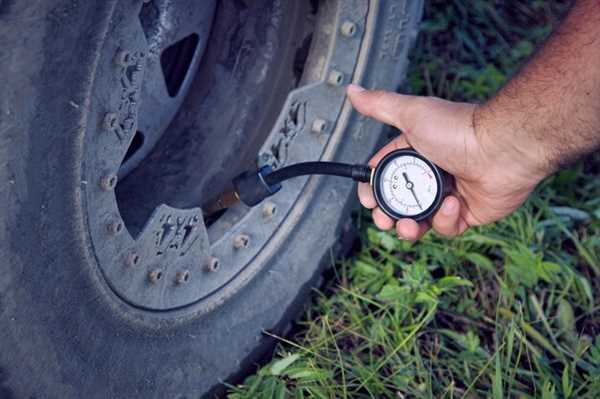
Finally, regularly inspect and maintain optimal pressure to enhance performance and tire longevity. Proper inflation not only improves safety but also maximizes traction and handling across different terrains.
Evaluating Tire Size and Tread Patterns for Your Vehicle
Choosing the correct diameter is crucial. Height affects ground clearance and stability. Typical sizes range from 22 to 27 inches, catering to various terrains.
- For sand and loose soil, wider options enhance flotation.
- Narrower designs improve handling on hardpack or rocky surfaces.
- Consider the weight of your machine; heavier units benefit from larger dimensions.
Tread designs determine traction and performance. Various patterns serve distinct purposes:
- Knobby treads: Ideal for muddy or loose terrains, providing superior grip.
- Flat treads: Optimize on-road performance, great for maintaining speed.
- Intermediate patterns: Versatile for mixed conditions, balancing off-road grip and on-road stability.
Take note of the ply rating; higher ply ratings yield stronger, more puncture-resistant options but can increase weight. Aim for a balance that suits your typical conditions.
Always check manufacturer recommendations for compatibility with your machine. Proper fitment ensures maximum efficiency and safety during rides.
Balancing Durability and Comfort in Tire Selection

Select a robust rubber compound that offers both longevity and ride quality. Harder compounds provide superior wear resistance, while softer formulations enhance traction and comfort. Seek a tread design that strikes a balance between durability and cushioning, ensuring stability on various terrains.
Regular maintenance, such as checking tire pressure, plays a significant role in achieving optimal balance. Proper inflation maximizes both comfort and longevity. Additionally, rotating tires periodically helps even out wear, extending their lifespan while ensuring steady performance.
Finally, explore user reviews and test various options to discover which combination truly meets your preferences. Comfort and durability need not be mutually exclusive; thoughtful choices lead to an enjoyable experience on any trail.